

Finish Morning Star and choose it above to read this guide. Later-book sections remain hidden until you select those books.
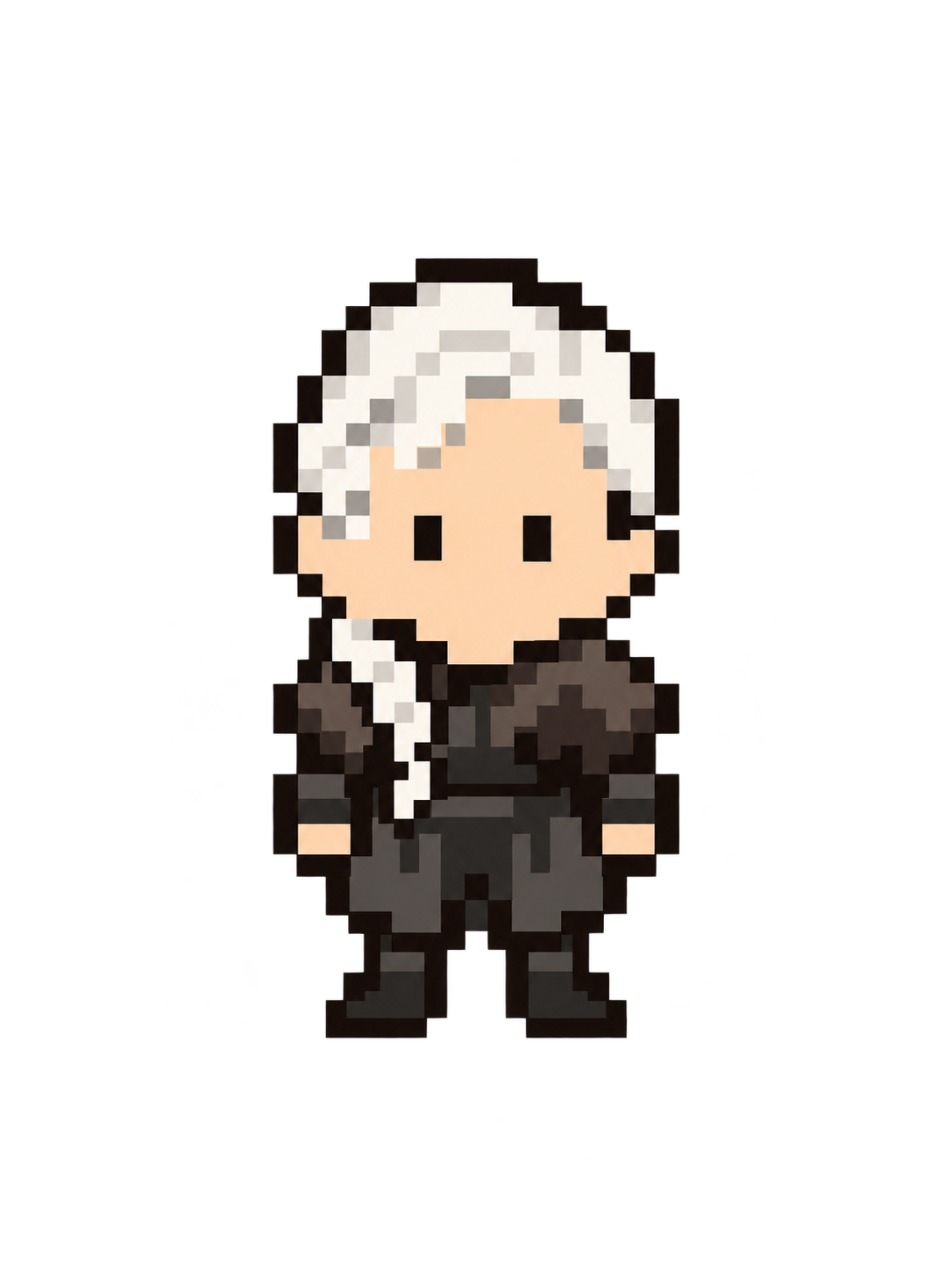
Character guide · first on-page appearance: Morning Star
Who is Sefi?
Sefi the Quiet is Ragnar’s sister and a leader among the northern Obsidian tribes. She reunites with him as he is dying in Morning Star. His request that she change her people’s lives leads her to question the gods and customs she has obeyed.
Current status
Reveal the status for your selected book when you are ready.
Alive
Alive
Deceased
Deceased
Appearance and personality
Sefi recognizes Ragnar through memories of their childhood and grieves openly as he dies. An earlier attack blamed on the gods reportedly left her unable to speak, giving her the name the Quiet.
Sefi is a forceful ruler. Learning that the gods are Golds changes whom she follows, but she continues using executions and collective punishment to enforce her own authority.[1]
Attributes and abilities
Sefi can unite the tribes and command their warriors. Before accepting Darrow’s claim about the gods, she examines the bodies and weapons for herself. Once convinced, she helps teach the clans the truth and prepares them to leave the poles.
Sefi’s followers expect familiar forms of leadership, and she often uses them. She can reject the false gods while still answering an injury with punishment against an entire group.[2]
Sefi wants her people to learn trades and professions beyond soldiering. She brings in teachers from other Colors and hires Ephraim to train her skuggi in spying and infiltration. Helium from the Cimmerian mines could pay for homes, land and jobs. She pursues those goals while ruling absolutely and using hostages and harsh punishments.
A degenerative illness weakens Sefi’s right arm. She believes Atalantia caused it. Xenophon’s treatment slows the disease, but does not cure it. Keeping the illness secret leaves her increasingly dependent on him.[3]
History
Book 3
Morning Star
Sefi arrives with the griffin riders as Ragnar lies dying. She wants to take him to healers, then offers a weapon so he can meet the death she considers honorable. He refuses and asks her to change and live for more.
At the Valkyrie Spires, her attempt to protect Darrow’s party is overruled. She later releases Darrow and Mustang and accompanies them to investigate the gods. Once she sees the technology and human vulnerability behind the divine performance, she confronts Alia’s refusal to abandon the system. Sefi kills her mother, takes the crown and executes the surviving captives.
She brings the tribes into the war, but liberation does not end conflict among the allies. After Narol’s execution, Sefi leads retaliation against Golds aboard the ships. Sevro’s intervention, hanging himself beside Cassius, forces the proposed rule of revenge to apply to him as well. She cuts both men down. After the victory, Sefi and Holiday begin resettling Obsidians on Mars, starting an integration whose difficulties remain ahead.[4]
Book 4
Iron Gold
A decade of war has not resolved the Obsidians’ need for a secure future. Sefi opposed the Mercury Rain despite accompanying it, and her people’s losses make her support politically uncertain.
Sefi refuses to join Darrow’s Venus mission. She believes her people have already lost too much on Mercury and knows that going herself would bring more Obsidians into the fighting. She chooses their future over another campaign with Darrow.[5]
Book 5
Dark Age
Sefi gathers forces on Mars and holds Pax, Electra and Ephraim at Eagle Rest after their recovery. She wants a united Obsidian kingdom, Volkland, financed by helium and able to offer work beyond soldiering. Ephraim agrees to train her skuggi, with promises concerning Volga and Lyria used as leverage.
Sefi uses Victra’s ore ships and a covert assault to take the Cimmerian mines. The fighting costs many lives. Her new state offers jobs, shares mine profits and attracts migrants, but also relies on executions and hostages. Xenophon gains influence while she grows more suspicious of people around her.
Her illness makes succession urgent. She reveals that she wants Volga, Ragnar’s daughter, to unite the tribes after her, but Ephraim refuses to recruit Volga into a role she has not chosen. Internal resentment and Fá’s challenge grow while Xenophon controls information and helps turn her against potential allies.
At the confrontation, Xenophon openly rejects her and presents Fá as a rival with a claim through Ragnar. Sefi recognizes the betrayal too late. Fá defeats her, murders her through the blood eagle and takes the Griffin Throne. The sack of Olympia destroys the immediate civil project she had tried to build.[6]
Book 6
Light Bringer
Atlas later confirms that Xenophon helped prepare the takeover of the Volk. Darrow challenges Fá over Sefi’s murder and admits that she had tried to give the Obsidians a life beyond the fighting he kept asking them to do.[7]
Relationships
Ragnar Volarus
Ragnar refuses the warrior’s death Sefi offers him and asks her to change. His last words help persuade her to investigate the gods.[8]
Darrow
Darrow and Mustang help Sefi expose the Golds controlling her people. She joins them, but retains her own aims for the Obsidians.[2]
When Darrow prepares another campaign, Sefi refuses to send more of her people to die for it.[9]
Ephraim ti Horn
Ephraim teaches Sefi’s skuggi the skills she needs. She also uses Volga and Lyria to pressure him. They begin respecting each other, but coercion and Xenophon’s interference keep undermining their trust.[10]
Volga
Sefi wants Volga to succeed her because she is Ragnar’s daughter. Ephraim refuses to bring Volga into a plan she has not agreed to.[11]
References
- Morning Star, chapters 30–35, 53–54. ↩
- Morning Star, chapters 32–35, 53–55. ↩1 ↩2
- Dark Age, chapters 22–24, 37–46, 52. ↩
- Morning Star, chapters 30–35, 53–55, 65. ↩
- Iron Gold, chapters 1–3, 10, 16, 34–35. ↩
- Dark Age, chapters 22–29, 37–46, 52, 74–77. ↩
- Light Bringer, chapters 47, 53–56, 71, 77. ↩
- Morning Star, chapters 30–35. ↩
- Iron Gold, chapters 16. ↩
- Dark Age, chapters 23–24, 37–46, 52, 74–77. ↩
- Dark Age, chapters 46. ↩